

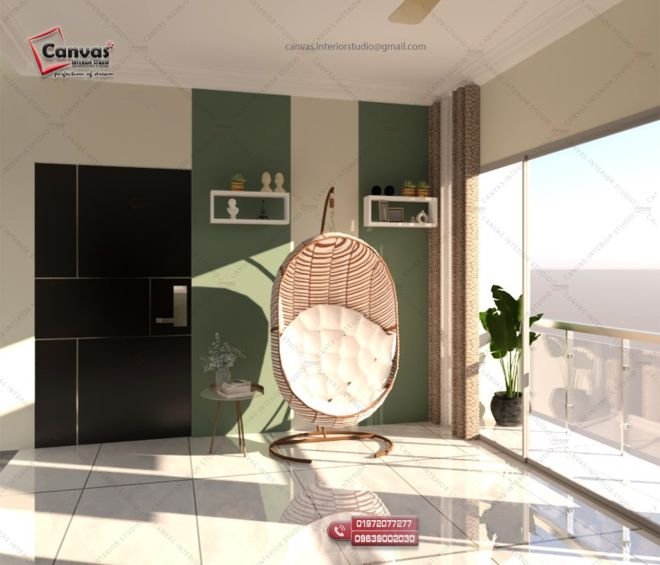
Sustainable and Eco-Friendly Design: Creating Green Interiors
In today’s world, creating a beautiful home goes beyond aesthetics—it’s about embracing sustainability and protecting the planet. Eco-friendly interior design is not just a trend; it’s a lifestyle that combines style with responsibility. Whether you’re revamping your space or starting from scratch, here’s how you can make sustainable choices for a greener home.
1. Start with a Zero-Waste Mindset
A zero-waste home aims to reduce unnecessary waste while repurposing and reusing materials. Here’s how:
- Declutter Responsibly: Donate or recycle items you no longer need instead of throwing them away.
- Repurpose Old Items: Turn glass jars into storage containers or old fabrics into decorative pieces.
- Choose Multi-Functional Furniture: Opt for furniture that serves multiple purposes, such as a sofa bed or a storage ottoman.
Pro Tip: Embrace minimalism to reduce consumption and create a clutter-free, peaceful space.
2. Sustainable Materials for Modern Interiors
Selecting eco-friendly materials is essential for a sustainable home. Here are some popular choices:
- Reclaimed Wood: Perfect for furniture, flooring, or accent walls, reclaimed wood adds character and reduces the need for new timber.
- Bamboo: A fast-growing, renewable resource ideal for furniture, flooring, and decor.
- Cork: A sustainable material used for flooring or wall tiles that’s durable and insulating.
- Recycled Metal and Glass: Stylish and sustainable, they’re excellent for fixtures, decor, and countertops.
- Natural Fabrics: Use organic cotton, linen, or hemp for upholstery, curtains, and bedding.
Quick Tip: Look for certifications like FSC (Forest Stewardship Council) or GOTS (Global Organic Textile Standard) to ensure materials are eco-friendly.
3. Energy Efficiency Matters
Reducing energy consumption is a cornerstone of sustainable living. Simple changes can make a big difference:
- LED Lighting: Replace traditional bulbs with energy-efficient LEDs.
- Smart Home Devices: Use programmable thermostats and smart plugs to minimize energy waste.
- Natural Lighting: Maximize natural light by using sheer curtains, mirrors, and strategic furniture placement.
- Energy-Efficient Appliances: Choose appliances with high energy ratings to reduce electricity usage.
Bonus: Solar panels are a long-term investment that can significantly lower your energy bills.
4. Incorporate Indoor Plants
Indoor plants not only beautify your home but also improve air quality and promote a sense of well-being.
- Air-Purifying Plants: Try snake plants, peace lilies, or pothos for cleaner air.
- Vertical Gardens: Save space with hanging planters or wall-mounted gardens.
- Low-Maintenance Greens: Succulents and cacti are perfect for beginners.
Eco-Tip: Use composted soil and biodegradable pots to enhance your plant care routine.
5. Eco-Friendly Paints and Finishes
Traditional paints and finishes can release harmful VOCs (volatile organic compounds) into the air. Switch to:
- Low-VOC or VOC-Free Paints: These reduce indoor air pollution.
- Natural Finishes: Use beeswax or linseed oil for wood treatments.
- Eco-Friendly Wallpapers: Look for biodegradable or recycled paper options.
Pro Tip: Always ventilate your home during and after painting for a healthier environment.
6. Invest in Sustainable Furniture and Decor
Opt for furniture and decor that are crafted with sustainability in mind:
- Secondhand Finds: Shop at thrift stores or online marketplaces for vintage furniture.
- Ethical Brands: Support companies that prioritize fair labor practices and eco-friendly materials.
- Upcycled Pieces: Look for unique items made from repurposed materials, such as pallets or industrial scrap.
Trend Alert: Modular furniture is gaining popularity for its adaptability and reduced waste.
7. Reduce Water Usage
Eco-friendly interior design extends to conserving water:
- Low-Flow Fixtures: Install low-flow faucets, showerheads, and toilets.
- Greywater Systems: Reuse water from sinks and showers for irrigation.
- Rainwater Harvesting: Collect rainwater to water plants or clean outdoor spaces.
Quick Idea: Use native or drought-tolerant plants in landscaping to reduce water needs.
8. Embrace Eco-Conscious Decor Trends
Small decor updates can make a big impact:
- Biodegradable Decor: Choose natural fibers, clay pots, or wood-based items.
- Eco-Friendly Rugs: Look for options made from jute, sisal, or organic wool.
- Artisanal Crafts: Support local artisans who use sustainable practices.
DIY Idea: Create your own decor with driftwood, pressed flowers, or recycled materials.
9. Focus on Durability and Longevity
Sustainability isn’t just about the materials; it’s also about how long they last. Invest in high-quality items that won’t need frequent replacing, saving money and reducing waste in the long run.
10. Educate Yourself and Others
Sustainability is a journey, and every small step matters. Learn about eco-friendly practices, share your ideas, and inspire others to join the green movement.
Final Thoughts: Sustainable Style, Happy Planet
Sustainable interior design is about creating a beautiful, functional space that minimizes environmental impact. By making thoughtful choices, you can enjoy a stylish, comfortable home while contributing to a healthier planet. Whether it’s choosing eco-friendly materials, conserving energy, or upcycling old items, every effort counts.
Let’s make sustainable living not just a choice but a way of life.

0 Comments